Chapter 1
Ashoka's Transformation
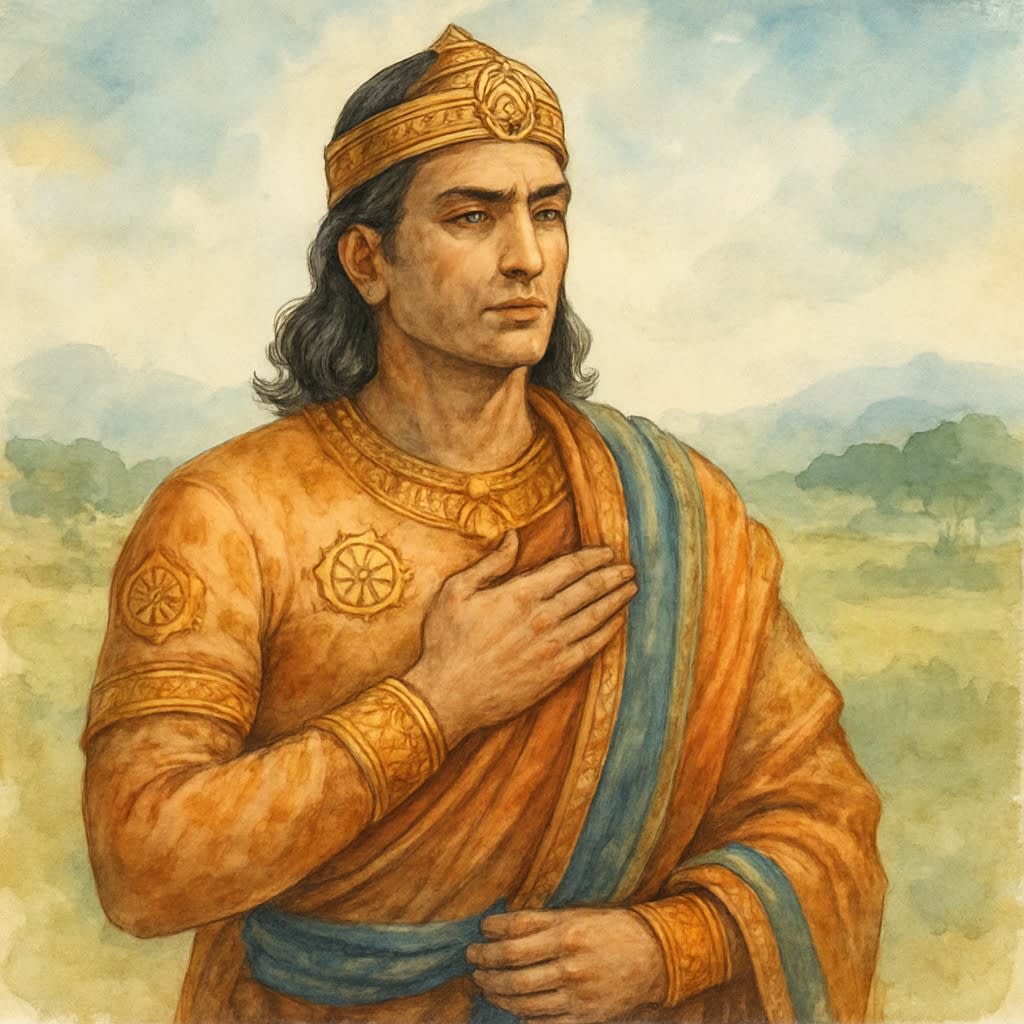
Ashoka, after witnessing the carnage of Kalinga, undergoes a profound transformation. He embraces Buddhism and dedicates his life to peace and dharma, spreading his message throughout the Mauryan Empire.
Ashoka, after witnessing the carnage of Kalinga, undergoes a profound transformation. He embraces Buddhism and dedicates his life to peace and dharma, spreading his message throughout the Mauryan Empire. Enjoy this full AI-crafted reading experience below.
Ashoka, after witnessing the carnage of Kalinga, undergoes a profound transformation. He embraces Buddhism and dedicates his life to peace and dharma, spreading his message throughout the Mauryan Empire.
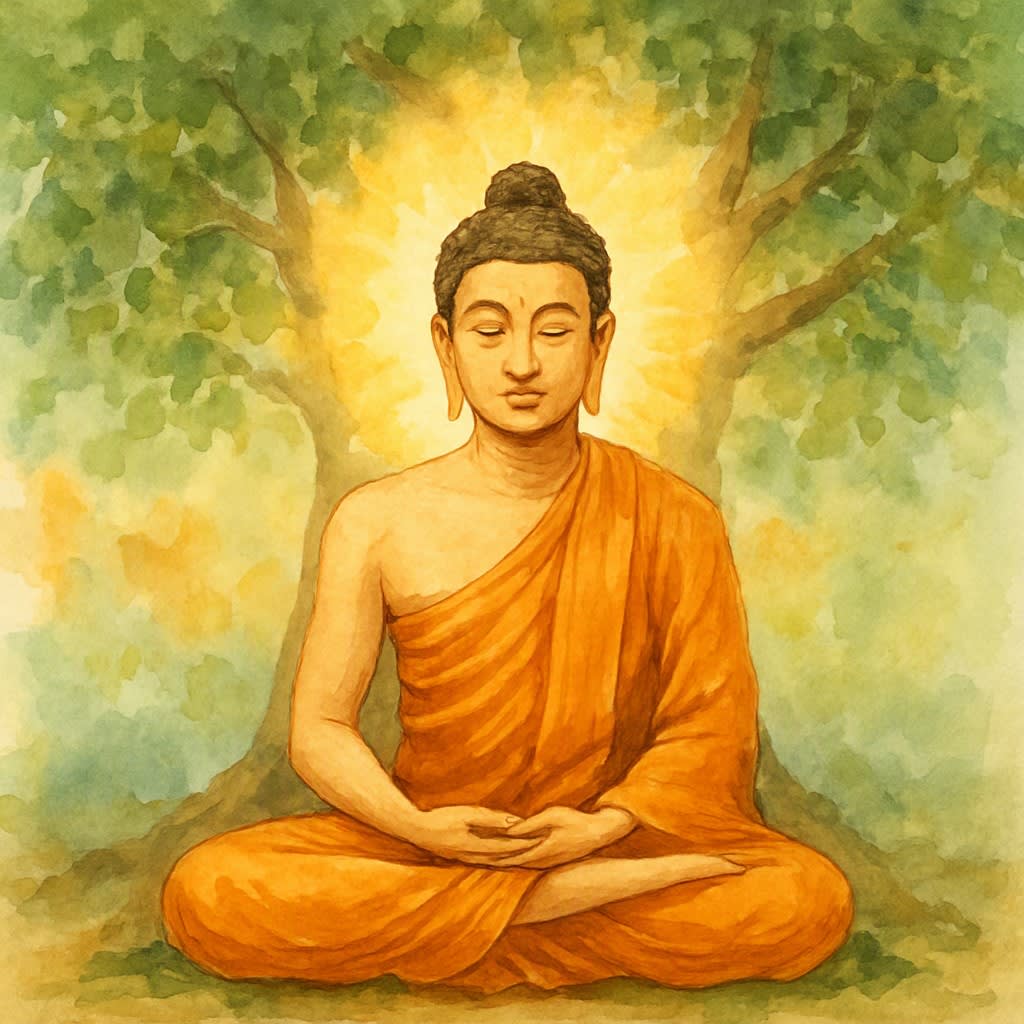
Siddhartha Gautama, after years of searching for truth, attains enlightenment under the Bodhi tree. He becomes the Buddha, sharing his wisdom and the Four Noble Truths, guiding countless souls to liberation.
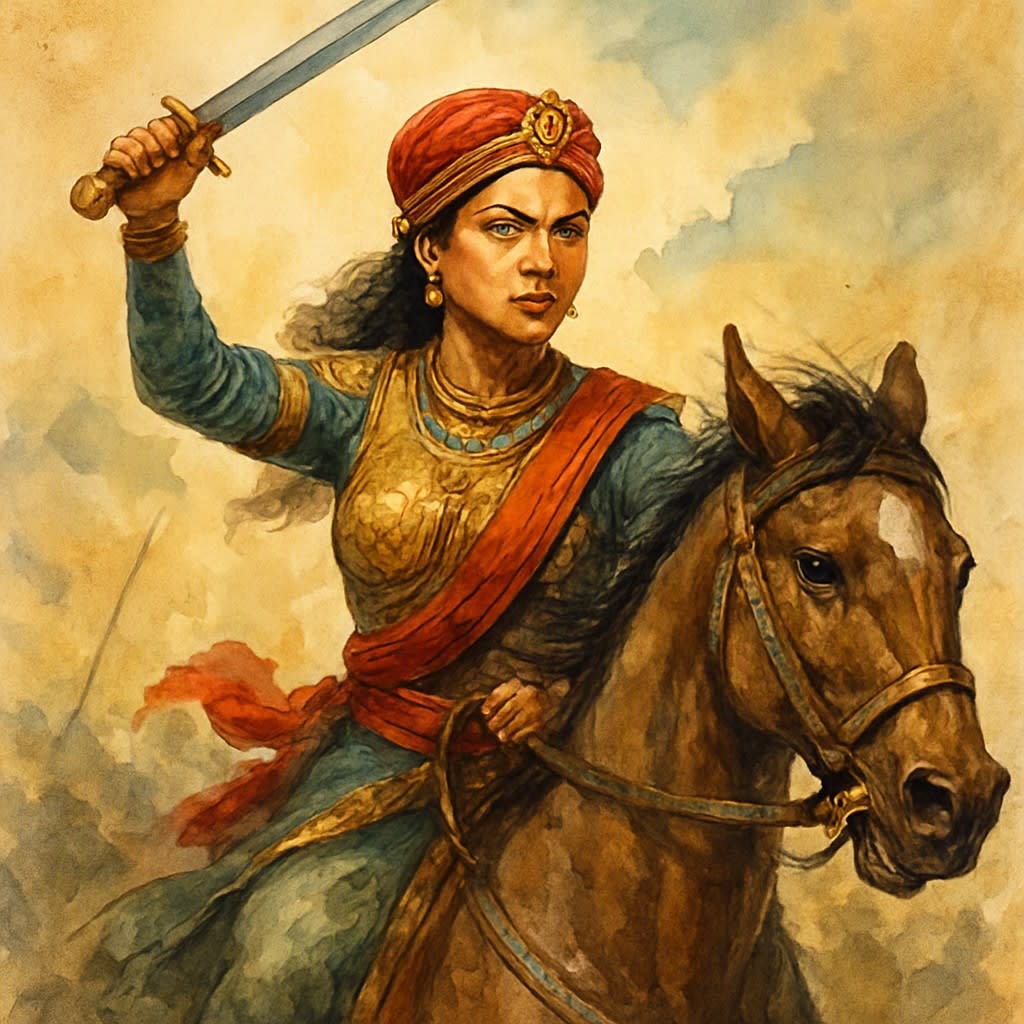
Rani Lakshmibai, a symbol of courage and resistance, bravely leads her forces against the British during the Sepoy Mutiny. Her fierce determination and sacrifice ignite the flame of freedom in India.
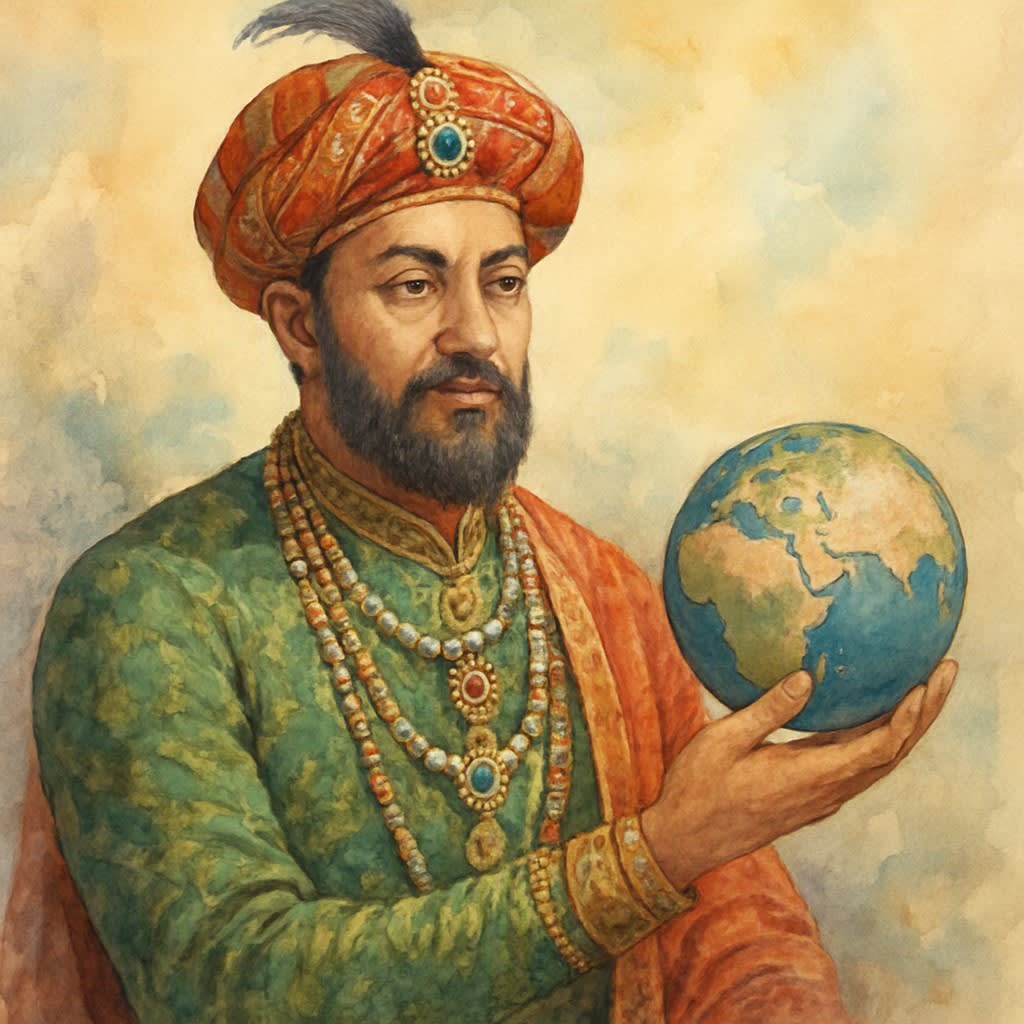
Akbar, a visionary emperor, promotes religious tolerance and cultural synthesis. His policies of Din-i-Ilahi and Sulh-i-Kul foster unity and prosperity in the Mughal Empire, leaving a legacy of harmony.
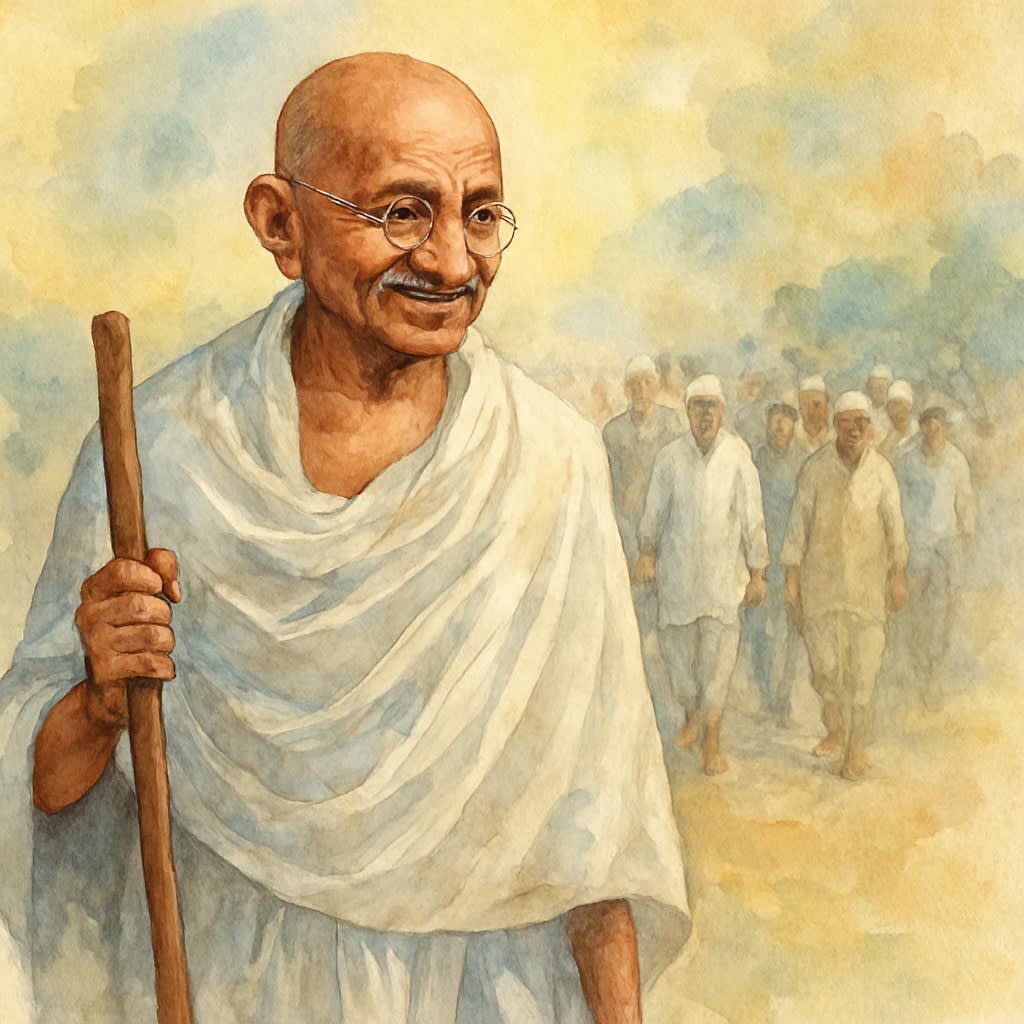
Gandhi leads India's struggle for independence through non-violent resistance and Satyagraha. His principles of truth, non-violence, and self-reliance inspire millions to fight for freedom and justice.
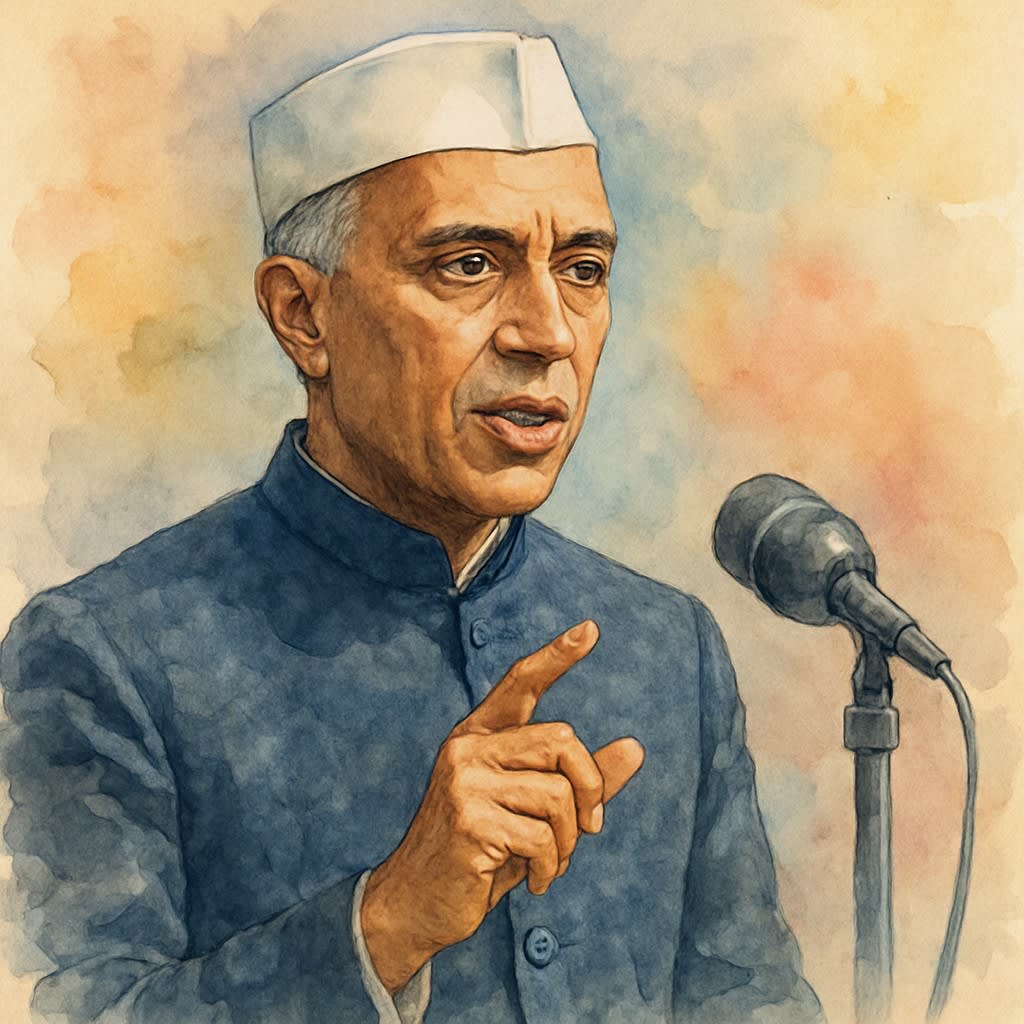
Jawaharlal Nehru, India's first Prime Minister, lays the foundation for a modern, secular, and democratic nation. His vision of a socialist society and non-alignment shapes India's early years.
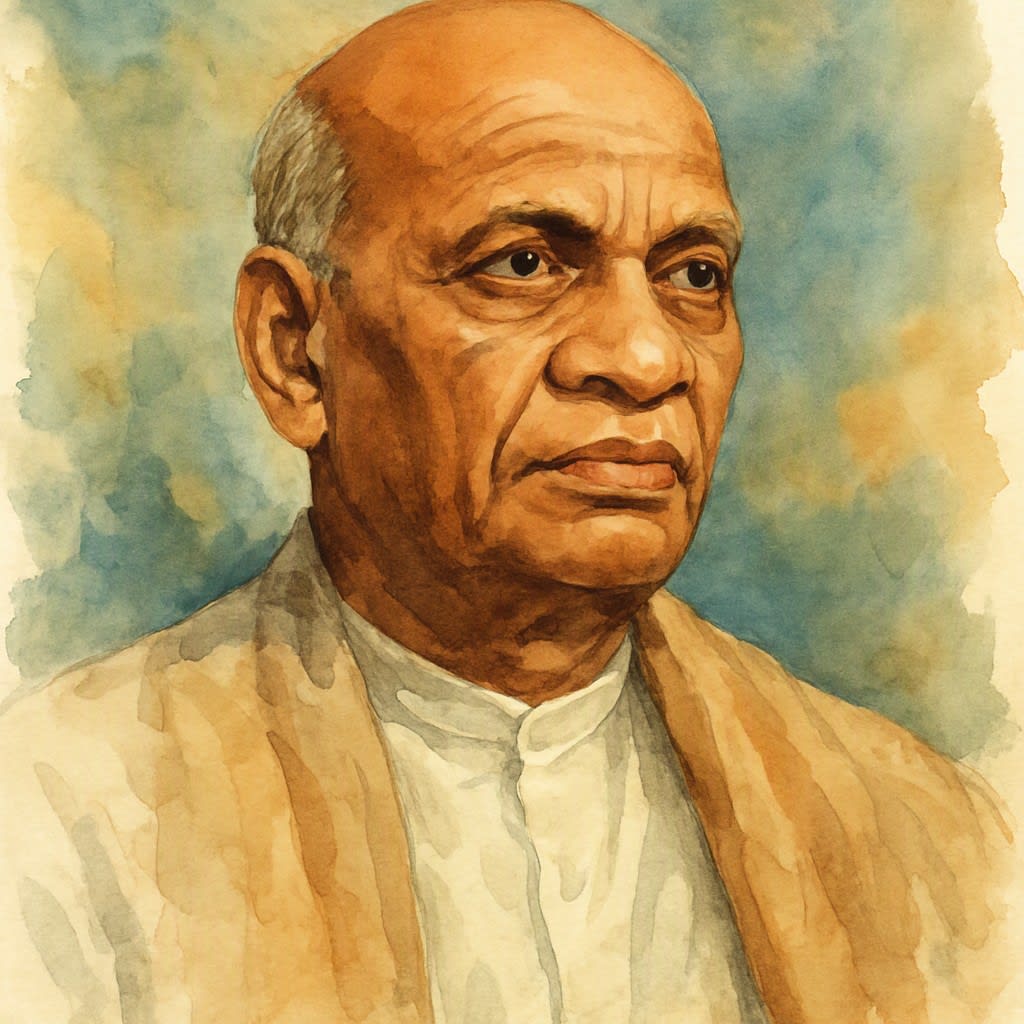
Sardar Vallabhbhai Patel, the Iron Man of India, plays a crucial role in integrating the princely states into the Indian Union. His strong leadership and diplomatic skills forge a unified and strong India.
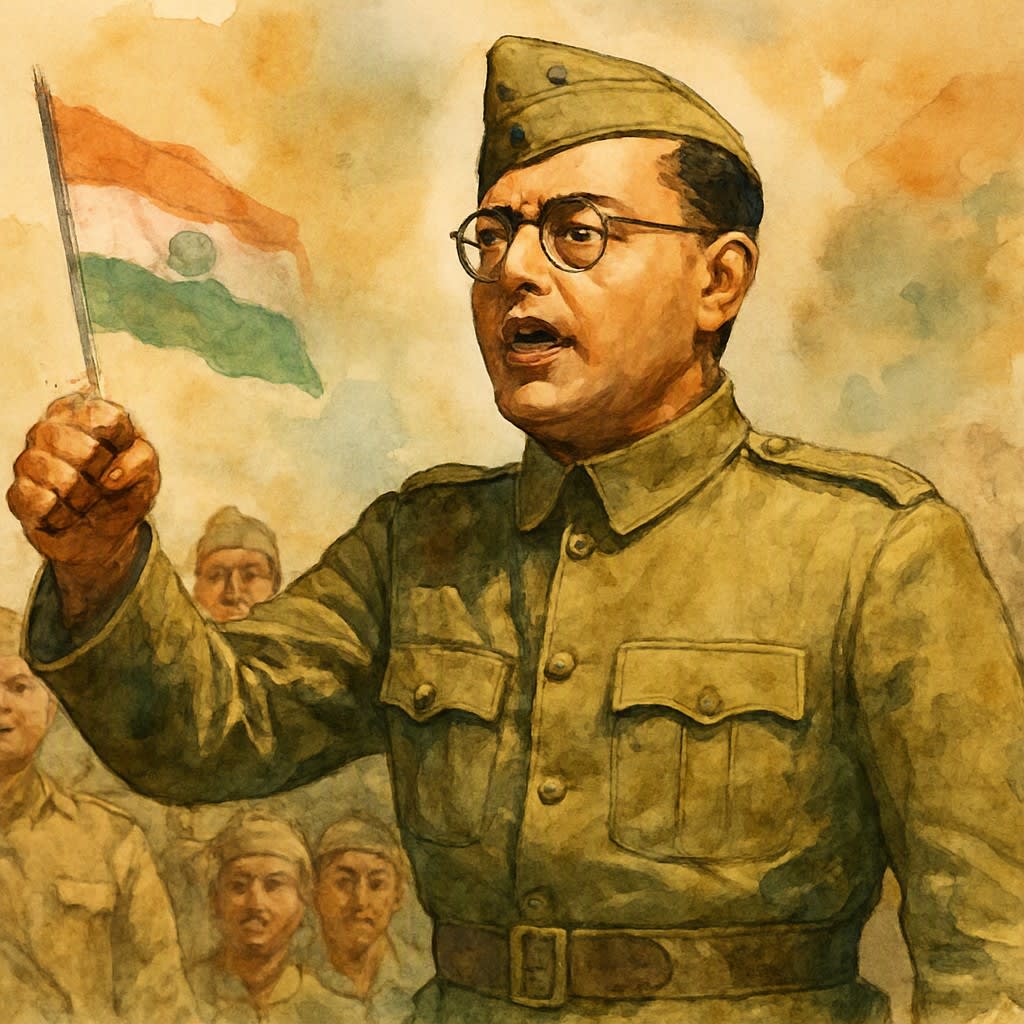
Subhas Chandra Bose, a revolutionary nationalist, forms the Forward Bloc and the Indian National Army to fight for India's independence. His bold actions and unwavering patriotism inspire a generation.
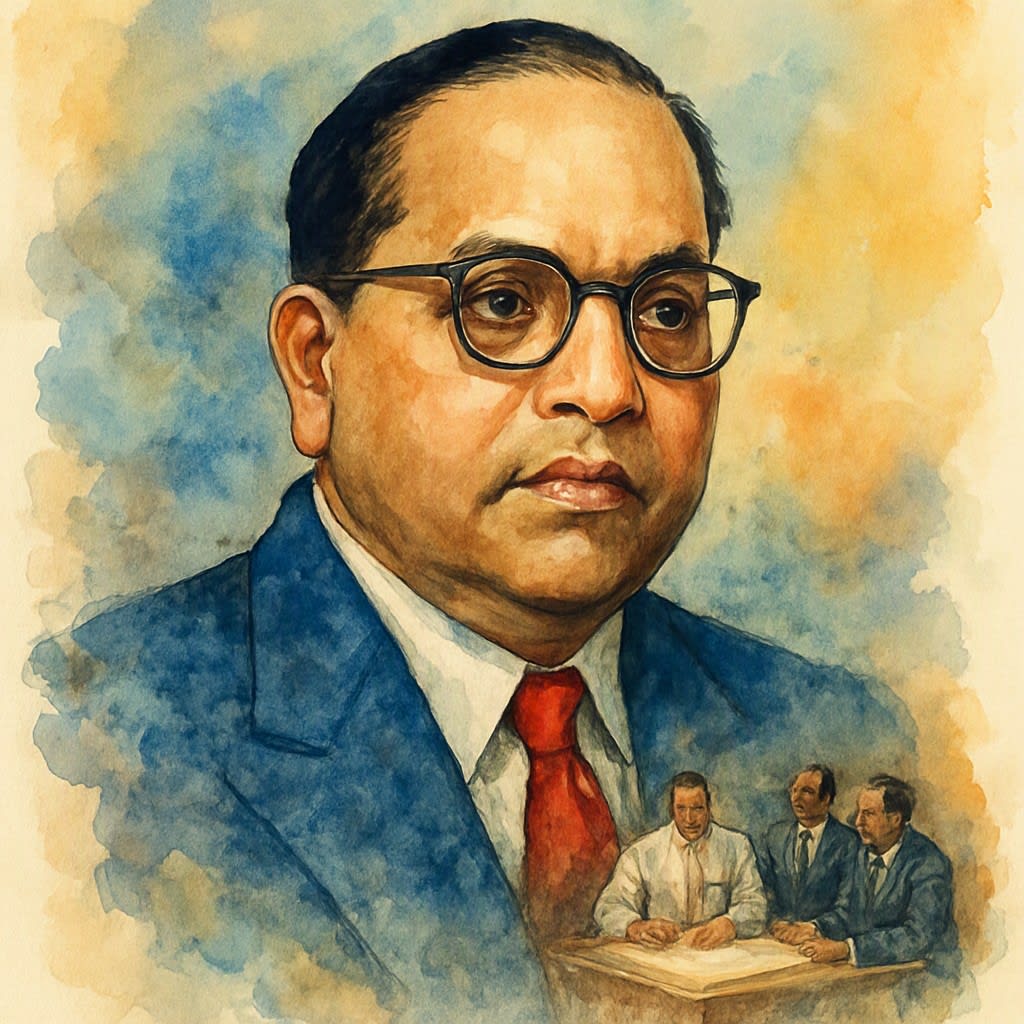
B.R. Ambedkar, a champion of social justice, fights for the rights of the marginalized and oppressed. His efforts lead to the drafting of the Indian Constitution, ensuring equality and justice for all.
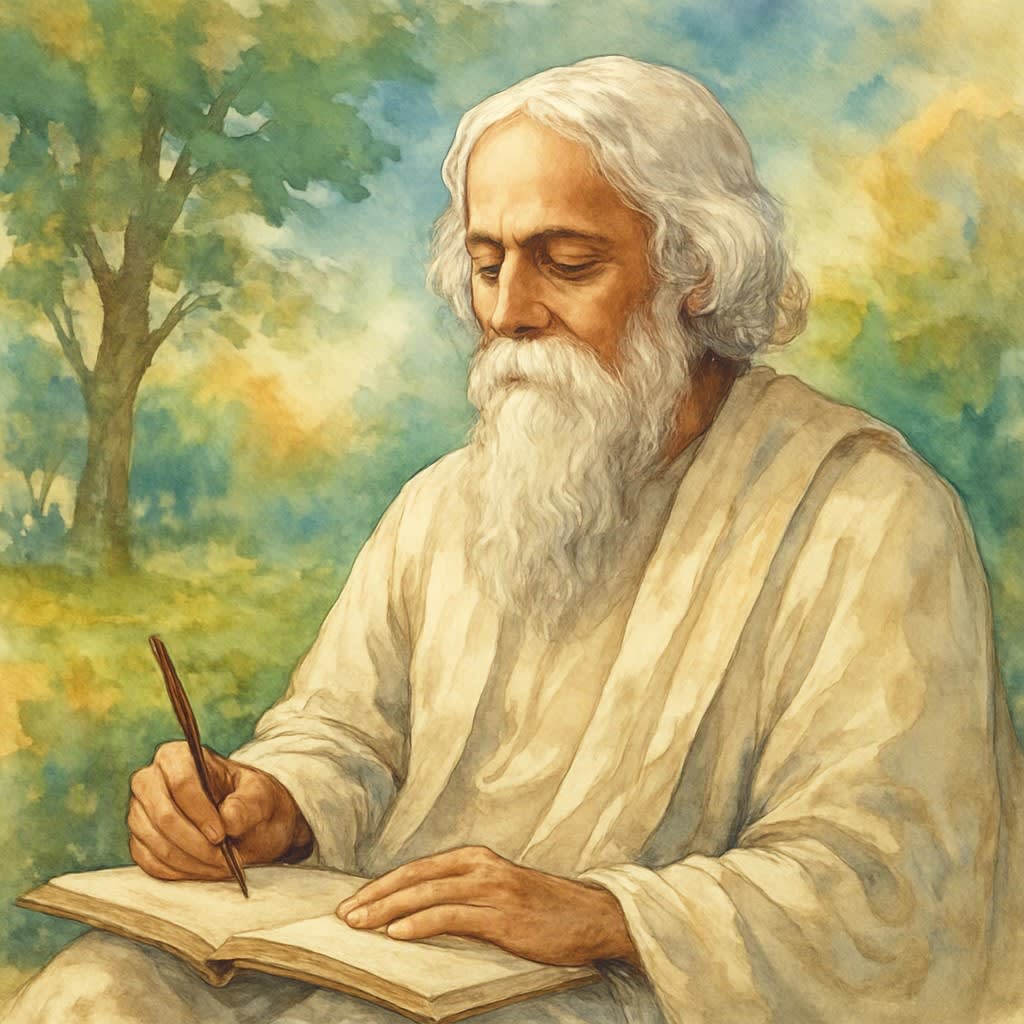
Rabindranath Tagore, a poet, philosopher, and artist, leads a cultural renaissance in India. His literary works and artistic creations inspire a new sense of national pride and identity.
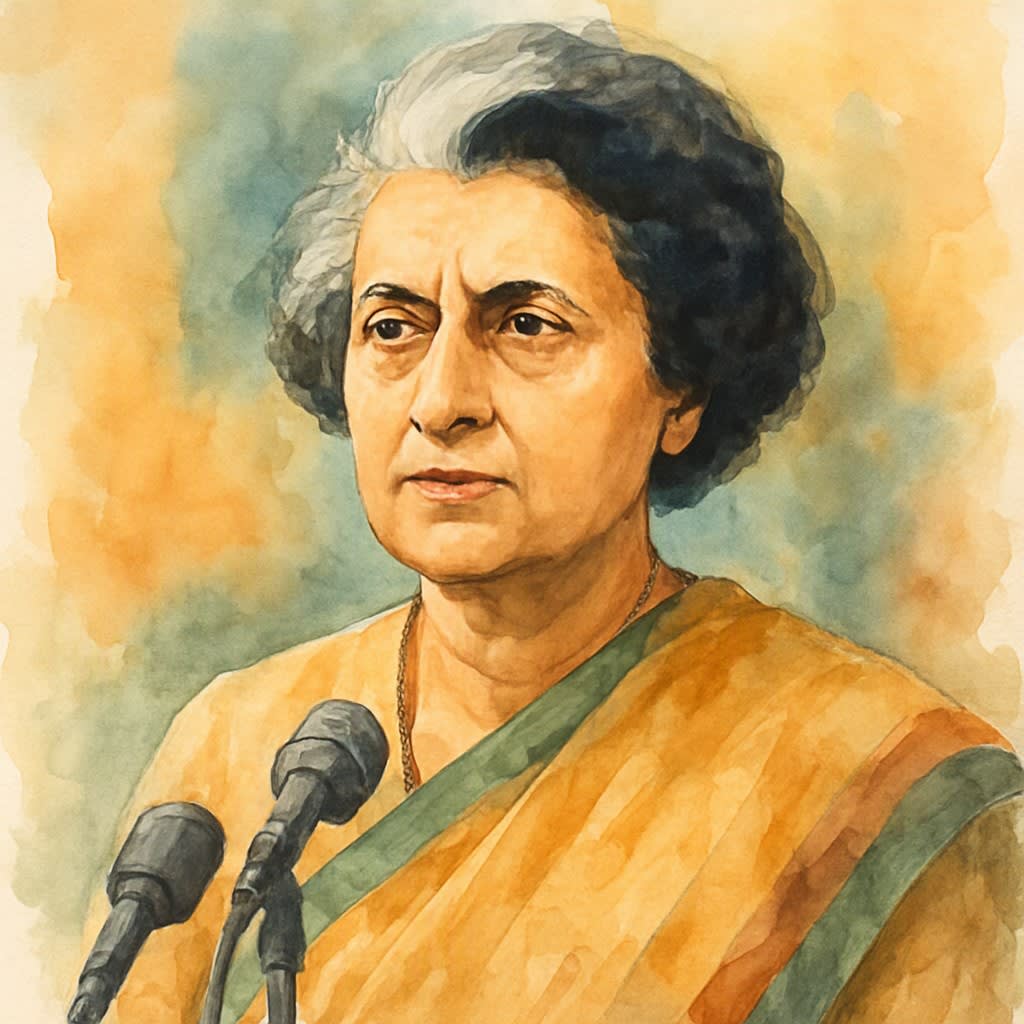
Indira Gandhi, a strong and decisive leader, guides India through challenging times. Her policies and leadership leave a lasting impact on India's social and economic development.
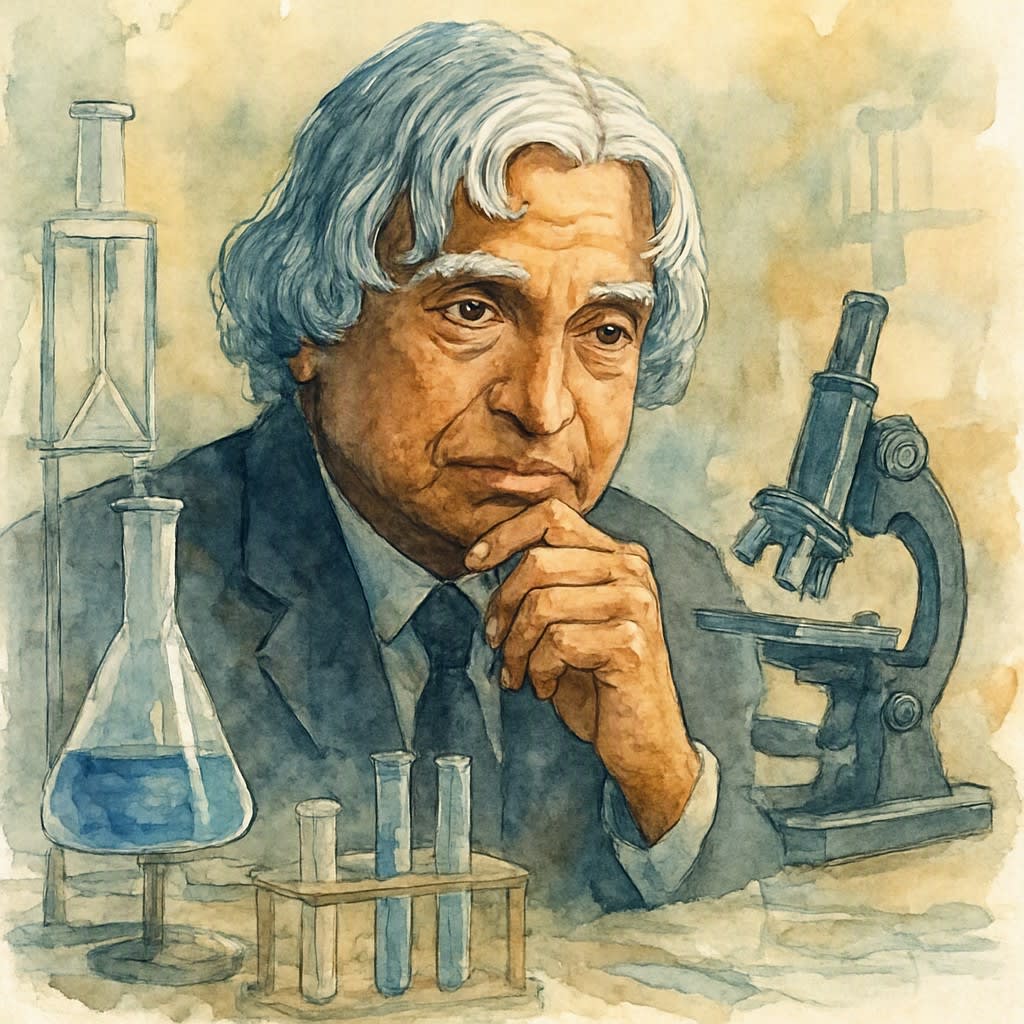
A.P.J. Abdul Kalam, a scientist and statesman, inspires India with his vision of a developed and prosperous nation. His contributions to science and technology pave the way for India's progress.
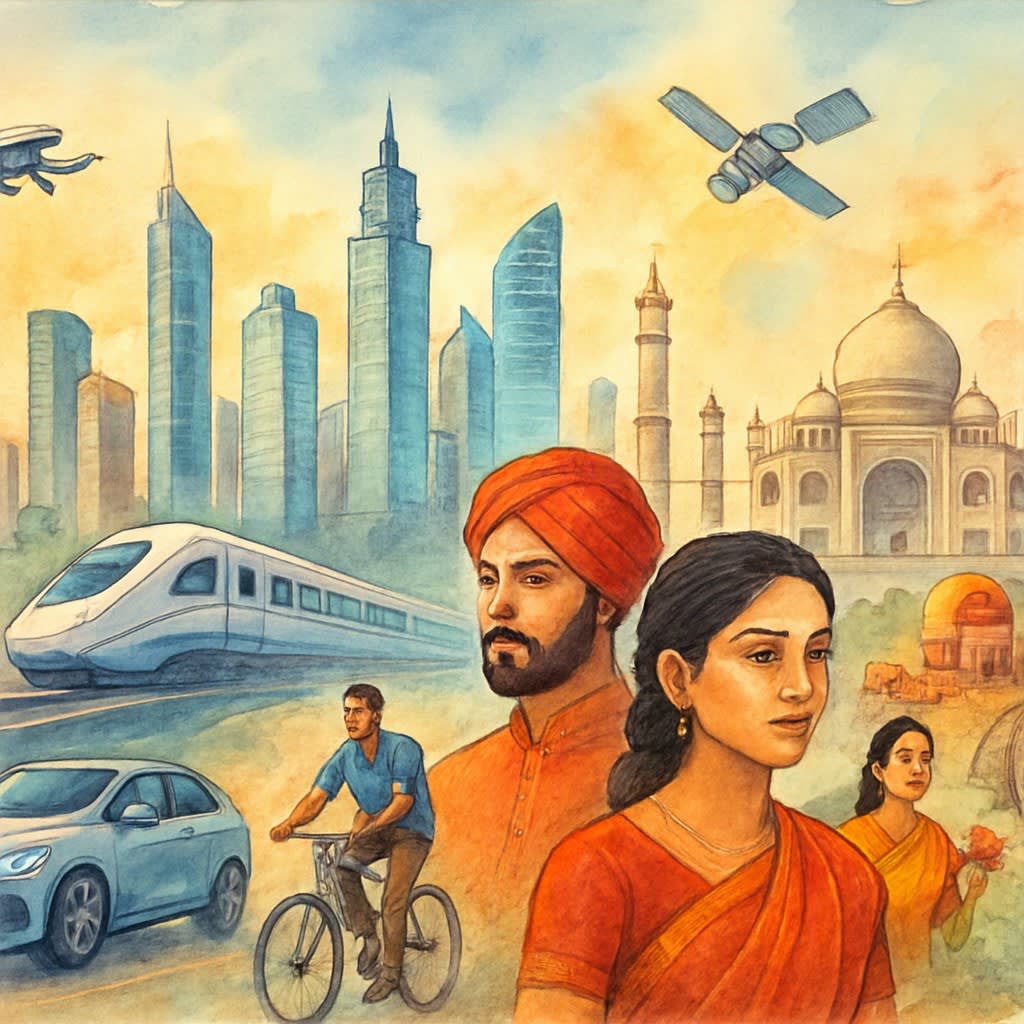
The echoes of these great personalities continue to resonate in modern India. Their ideals and actions inspire generations to strive for a better future and uphold the values of unity, justice, and progress.